
Smartphone Impact Detection for Motor Insurance
The Floow’s smartphone impact detection technology analyses sensor data to identify events that may indicate a road traffic accident. For motor insurers and connected insurance providers, this creates an opportunity to identify potential incidents, contact customers when appropriate and bring relevant telematics information into the claims process.
Integrated with The Floow’s wider telematics and claims capabilities, impact detection can help insurers move from identifying a potential incident to understanding the available information and deciding what action to take next.

Identify potential crashes. Support timely customer assistance.
How Does Smartphone Impact Detection Work?
-
Impact Detection
Smartphone impact detection uses sensor data collected by a mobile device to identify patterns that may indicate a vehicle impact. When a potential incident is detected, the technology can support a configured notification and follow-up process.
The purpose is to give insurers an additional signal that an incident may have occurred, helping them decide whether and how to contact the customer. Detection is not definitive confirmation of a crash, so alerts should be assessed through appropriate follow-up procedures.
-
Detect Potential Incidents
Analyse smartphone sensor data to identify events that may indicate an impact, creating an additional source of information for connected insurance programmes.
-
Support Timely Follow-Up
Where the relevant workflow is configured, an impact notification can help insurers identify a potential incident and consider appropriate customer contact.
-
Bring Data into Claims Workflows
Connect impact detection with relevant telematics and claims capabilities to help teams review available incident information and support further investigation.
-
Why Use Impact Detection in Motor Insurance?
After an accident, timely communication and access to relevant information can be important to the customer experience and the claims process. Impact detection can help insurers identify potential incidents earlier in their workflow and create opportunities to respond.
Potential applications include:
Customer assistance: identify potential incidents that may warrant timely follow-up.
Claims triage: use impact alerts as an additional signal when deciding which cases may need attention.
Incident investigation: bring relevant telematics information into the review of a reported event.
Claims process integration: connect incident information with existing operational workflows, subject to the solution and integration.
Connected insurance: add incident detection capabilities to a wider telematics proposition.
The operational value will depend on the programme, the quality of available data, detection performance and how alerts are handled.
Benefits of impact detection
-

Support faster claims handling
Impact detection can help insurers identify potential collisions and access relevant incident information sooner. By bringing timely alerts and available telematics data into claims workflows, insurers can support earlier customer contact and more informed initial assessments.
-

Support claims validation
Incident alerts and supporting telematics data can give claims teams additional context when reviewing a reported collision. Comparing available information with claim details can support more informed investigations and help identify cases requiring further review.
-

Enable timely incident response
When a potential impact is detected, configured alerts can help insurers identify incidents that may require follow-up. Timely notifications can support customer contact and appropriate next steps through established incident and claims procedures.
-
Gain insight into driving behaviour
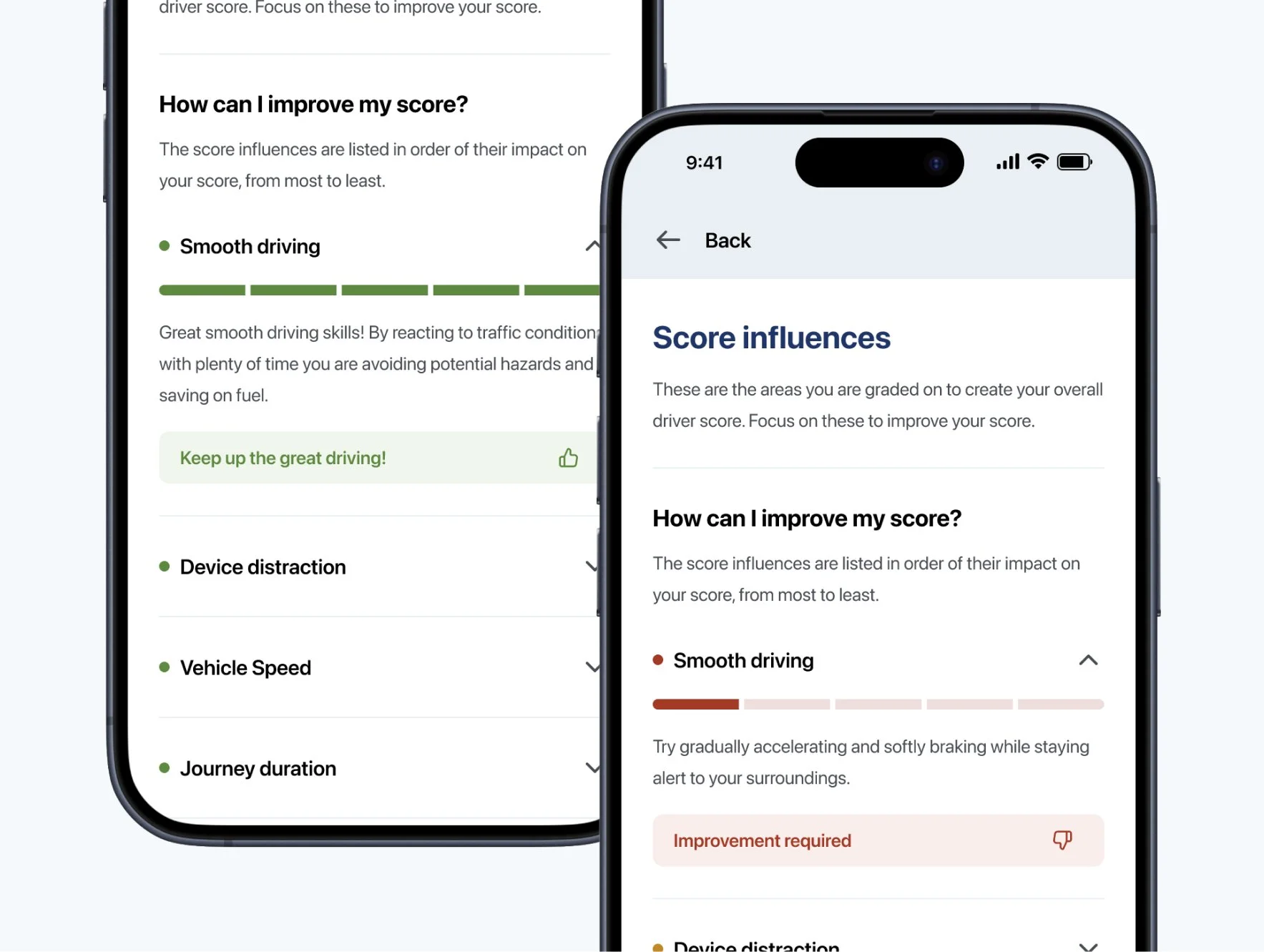
Telematics data can help drivers and insurers better understand driving patterns. Combined with driver feedback and coaching, these insights can highlight areas for improvement and support initiatives designed to encourage safer driving.
-

Add context to incident assessment
Impact-related data can provide additional context when reviewing a potential collision, helping claims teams assess the event alongside other available evidence. It can support investigation and triage, but does not independently confirm vehicle damage or determine liability.
-

Support data-informed insurance decisions
Telematics data can give insurers a broader understanding of vehicle use and driving behaviour. When combined with appropriate risk models and underwriting criteria, these insights may inform insurance product design and risk assessment. Any effect on premiums depends on the insurer’s pricing approach.
From Impact Detection to Claims Intelligence
Impact detection can be most useful when it forms part of a wider process for reviewing incidents and supporting customers.
The Floow’s FloowClaims suite brings impact detection together with claims-support capabilities. Depending on the implementation, these include impact notifications, incident location information, impact search and filtering, contributing-factor analysis, event timelines and data export.
This can help claims teams review available information in context rather than treating an impact alert as a complete account of an accident. Integration options, report content and available data should be confirmed against your requirements.
Designed to Complement Your Telematics Proposition
Impact detection can sit alongside other capabilities in The Floow’s mobility data and technology portfolio.
FloowDrive: a configurable smartphone telematics app that can provide the mobile experience through which driving data is captured.
FloowKit: an SDK for integrating smartphone telematics capabilities into an organisation’s own Android or iOS application.
FloowClaims: claims-support capabilities that bring impact detection and relevant telematics information into motor claims workflows.
The right approach depends on your existing technology, customer experience, data requirements and claims processes.


A Practical Approach to Incident Detection
Introducing impact detection requires more than identifying a possible event. Organisations need to consider how alerts are reviewed, how customers may be contacted, what information is available to claims teams and how the process fits existing systems.
The Floow can discuss your intended use case, integration requirements and operational objectives to help you understand how impact detection could fit your connected insurance proposition.
Customers using this product



-
Telematics-based impact detection uses sensor data, such as information collected by a smartphone, to identify events that may indicate a vehicle impact. It can help organisations identify potential incidents and decide when follow-up may be appropriate.
-
Smartphone crash detection analyses sensor readings associated with movement and potential impacts to identify events that may indicate a crash. Detection depends on the technology, device conditions and event characteristics, so an alert should be treated as an indication of a possible incident rather than confirmation.
-
Impact detection can support workflows that notify an insurer or service provider about a potential incident, where the relevant technology and integration are in place. The notification process and available information depend on the implementation.
-
Identifying a potential incident can create an opportunity for timely customer contact and help initiate an appropriate response. When connected to claims workflows, impact detection may support incident triage and information gathering.
-
No. Sensor-based detection can identify events that require further assessment, and not every detected event will represent a road traffic accident. Appropriate verification and follow-up procedures are important.
-
The Floow’s impact detection technology can form part of its wider FloowClaims capabilities, bringing potential incident signals and relevant telematics information into claims-support workflows. The available functionality depends on the deployed solution.
-
Insurers can discuss their incident response process, claims systems, notification requirements and evaluation criteria with The Floow. Visit our contact page to explore the potential fit.